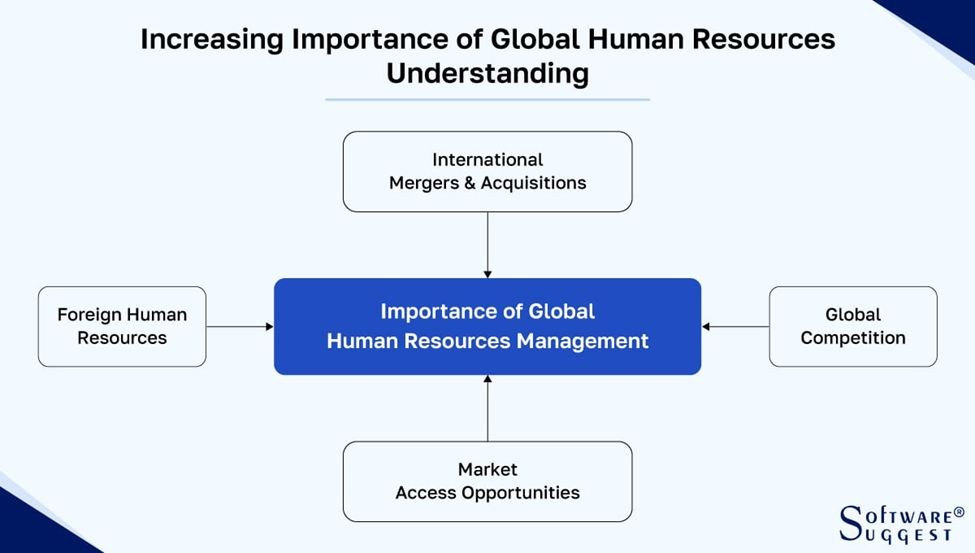

Global expansion has made human resources a strategic pillar for multinational companies. HR professionals now manage workforces spread across borders, cultures, and legal systems, balancing local realities with global strategy. An International Diploma in Human Resource Management equips HR practitioners with the skills to meet these demands and lead effective, inclusive, compliant people programs worldwide.
What is IHRM?
International Human Resource Management (IHRM) refers to HR activities carried out across multiple countries, including recruitment, training, compensation, performance management, and employee relations. IHRM combines core HR knowledge with cultural awareness, legal understanding, and technological competence to support global business objectives.
Core HR Functions in Global Organizations
– Recruitment and hiring: Adapt job descriptions and sourcing channels to local markets, and tailor candidate assessments to cultural expectations.
– Training and development: Provide multilingual, culturally aware learning that builds both local skills and global competencies.
– Performance management: Establish clear, fair appraisal systems that account for regional work styles and communication norms.
– Compensation and benefits: Design pay and benefits that reflect local tax, currency, and market conditions while maintaining global equity.
– Employee relations: Create inclusive policies, conflict-resolution practices, and engagement programs that respect cultural differences.
Main Challenges in IHRM
– Cultural complexity: Effective management requires understanding diverse norms, communication styles, and motivational drivers.
– Legal and regulatory diversity: Employment laws and compliance requirements differ by country; noncompliance risks fines and reputational harm.
– Technology and coordination: Remote teams need unified HR systems, automation, and tools that support collaboration across time zones.
Why Specialized Global HR Education Matters
Training that blends theory and practical application prepares HR professionals to navigate complexity and deliver measurable value:
– Better talent acquisition through knowledge of local hiring practices.
– Stronger inclusion and diversity outcomes that drive innovation and problem solving.
– Competitive agility by aligning HR practices with market needs and customer expectations.
Advantages of an Online Diploma in HR Management
– Accessibility: Professionals can upskill without pausing their careers.
– Broad curriculum: Topics typically include cross-cultural communication, international labor law, global talent management, and strategic HR planning.
– Networking: Virtual cohorts connect learners across industries and regions, expanding professional relationships.
– Applied learning: Case studies and real-world scenarios enable immediate workplace application.
Practical Strategies for Effective IHRM
1. Align talent strategy with business goals and prioritize roles critical to market expansion.
2. Conduct local market research to understand legal requirements, cultural norms, and talent availability.
3. Leverage technology: applicant tracking systems, AI-enabled sourcing, and multilingual HR platforms improve efficiency and consistency.
4. Build a compelling global employer brand that showcases culture, values, and employee success stories.
5. Develop diverse talent pipelines through partnerships with universities, industry groups, and professional networks.
6. Design inclusive policies and practices to ensure equitable hiring, development, and promotion.
7. Benchmark compensation regionally and offer flexible benefits that reflect local priorities.
Preparing for the Future
HR professionals who apply IHRM principles help their organizations attract and retain talent, comply with local regulations, and respond quickly to market changes. An International Diploma in HR Management provides the frameworks, tools, and case-based learning needed to transition into global HR roles. Continuous learning, cultural curiosity, and strategic thinking will be essential as companies broaden their international footprints.
If you want to advance your HR career and influence global people strategy, consider an International Diploma to build the practical skills and global perspective required for success.
Author
Sreedevi Jeevan is a senior content writer with over seven years experience in digital marketing, specializing in SEO-focused content for education and training programs, including diplomas in human resource management.