
Which robot vacuum is best for you? This guide shows Tech Advisor’s top picks so you can choose the model that suits your home and budget.
Robot vacuums can transform daily cleaning: they handle routine vacuuming, target grimy spots (under tables, around litter trays) and, with self-emptying docks, let you set a schedule and forget about frequent maintenance. Self-emptying is a premium feature but a few budget-friendly options exist. Other useful features include voice control, advanced obstacle avoidance (from shoes and cables to pet waste), and app zoning to set no-go areas.
Best robot vacuum cleaners
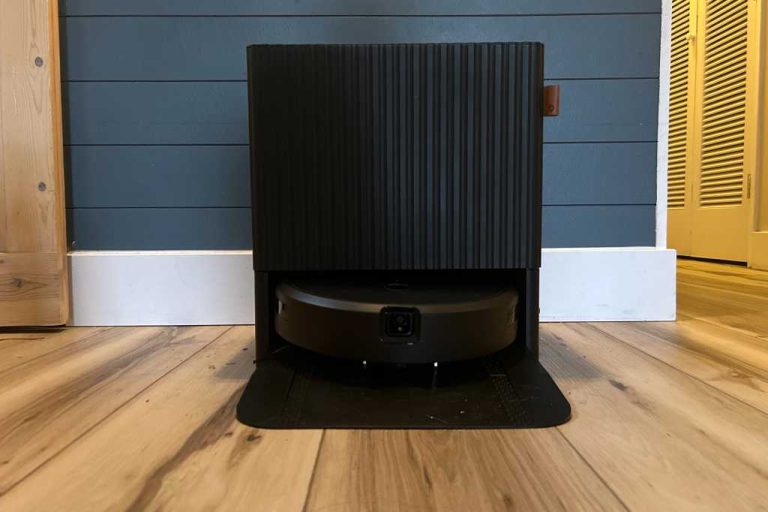
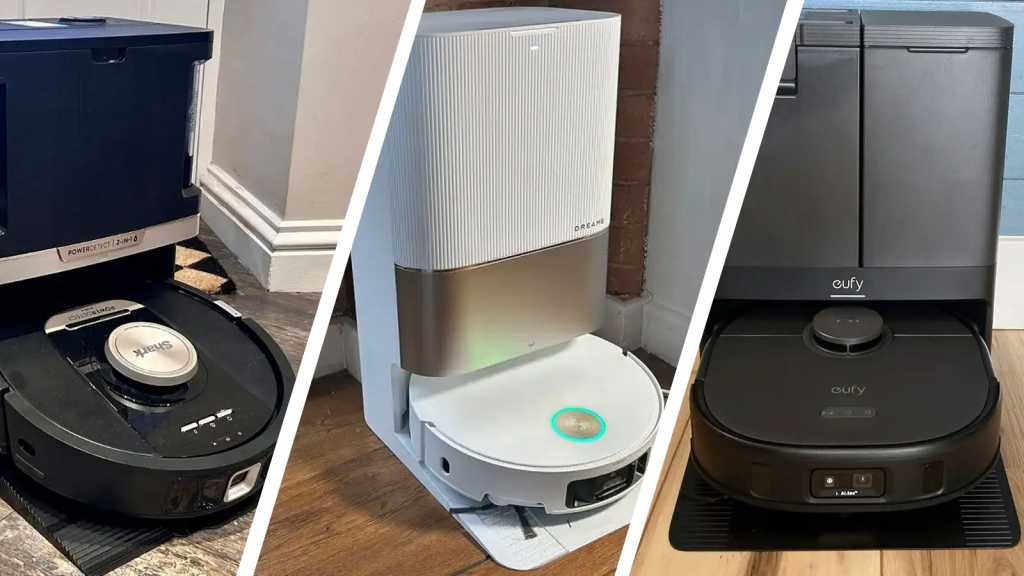
1. Eufy X10 Pro Omni — High-end features for a mid-range price
Pros: cleans and dries mop pads; self-emptying; AI.See object recognition; carpet detection.
Cons: station is large and hard to place.
Notes: 8,000Pa suction, rotating mop pads, self-wash and dry for mop pads, good app with multi-map support and precise scheduling, strong object detection that marks items on maps.
2. Shark PowerDetect NeverTouch Pro 2-in-1 — Best value self-emptying
Pros: anti-odour cartridge; cleans and dries mop pad; lifts onto rugs; reliable; low maintenance.
Cons: misses corners; spot clean imprecise.
Notes: Vacuums and mops, auto-empty, refills water, cleans/drys mop pads, anti-odour dock. Effective cleaning overall, occasional debris scatter on hard floors and crumbs left in corners.
3. Roborock Q5 Pro — Best budget robot vacuum
Pros: large onboard dustbin; fast mapping; easy app; affordable.
Cons: won’t avoid carpet when mopping; struggles with low obstacles; basic mopping.
Notes: 770ml bin, rubber anti-tangle roller, 180ml water tank, solid suction for hard floors and decent carpet performance for price; mapping and app are user-friendly.
4. Dreame X50 Ultra Complete — Best flagship model
Pros: excellent vacuuming and mopping; granular schedule controls; ProLeap and VersaLift; set-and-forget capability.
Cons: cleaning cycles take time; battery drain noticeable; patchy in-app carpet detection; cables remain a challenge.
Notes: retractable LiDAR, twin spinning mops (one extends for edges), dual rubber rollers to reduce hair wrap, can climb small steps using robotic legs, dock handles mop maintenance and emptying.
5. SwitchBot Mini Robot Vacuum K10+ — Best small robot vacuum
Pros: 50% smaller than average; 2,500Pa suction; LiDAR; quiet.
Cons: no water tank; mopping is a light wipe; can’t vacuum and mop simultaneously; supplied damp cloths dry out.
Notes: Compact size reaches tighter spaces, auto-empty dock gives up to ~70 days hands-free cleaning; limited mopping capability via wipes.
6. Mova E30 Ultra — Great mid-range features
Pros: good vacuuming and mopping results; strong suction (7,000Pa).
Cons: trouble with high thresholds; weaker obstacle identification.
Notes: Essentially a Dreame design, includes base station with large dirty and clean water tanks, auto mop cleaning but no detergent, solid cleaning performance for the price.
7. iRobot Roomba 205 DustCompactor Combo — Small dock, big dustbin
Pros: large compacting bin; always knows position; compact base; good on carpets.
Cons: roller can drop large debris; app limited; basic mopping; can get stuck.
Notes: 1.55L onboard bin with internal wiper compacts dirt so you empty less often; dock is just a charger, so you sacrifice auto-empty dock convenience for a smaller footprint.
8. Hobot Legee D8 — Mopping as a priority
Pros: flexible Wi‑Fi and hotspot; eight cleaning modes; reciprocating mop; compacting dustbin.
Cons: clunky app; can get stuck or lost; service station doesn’t auto-empty dust bin.
Notes: Designed for deep mopping with an effective up-and-down reciprocating pad; Lulu service station refills water and washes/dries the pad for hygienic results.
9. Eufy X8 Pro — Excellent value all‑rounder
Pros: well priced; good all-round performance; solid feature set.
Cons: needs to avoid carpet after mopping; manual mop pad handling; poor at spotting cables.
Notes: Low profile (9.5cm) helps reach under furniture, 270ml water tank and 335ml dustbin (station adds 2.5L bag), quick mapping, compatible with Google/Alexa, good on pet hair though some tangles occur.
10. Miele Scout RX3 Home Vision HD — Best long-term buy
Pros: excellent cleaning; low profile; attractive hardware and display.
Cons: expensive; error codes can be confusing; some navigation oddities.
Notes: Built to last with strong cleaning performance; simple app, Alexa-compatible; Home Vision HD includes a camera for remote piloting and pet checks.
Why you should trust Tech Advisor
Tech Advisor has tested tech for nearly 30 years. We review many robot vacuums in-house and with trained freelance testers, using rigorous, hands-on methods to evaluate performance, navigation, app features and long‑term use.
Robot vacuum FAQs and buying advice
How does a robot vacuum work?
Robot vacuums have a suction inlet and usually a brush bar to pick up dirt. Basic models follow a set pattern; advanced models map areas first using sensors, LiDAR or cameras, then clean methodically. Most are controlled via an app, remote or voice assistant. The app shows maps, sends alerts (tangles, stuck, low battery), and reports part wear (brushes, filters).
How does a robot vacuum map a room?
Mapping tech ranges from simple magnetic strips to detailed LiDAR/camera mapping that creates editable floor plans in the app. Many models support multiple maps (for different floors), exclusion zones, and mopping‑only zones. Advanced machines can mark furniture or obstacles and let you target cleaning to specific rooms or spots.
Can robot vacuums clean carpet?
Yes, many can, but effectiveness depends on suction power and brush design. Hard floors need less power; thicker carpets benefit from stronger suction and a rotating brush bar. Very powerful modes (boost/turbo) reach higher Pascals but are usually used intermittently.
Will a robot vacuum go under the couch?
Measure clearance before buying. Robot vac heights vary (about 7–12cm). A robot that can’t fit under key furniture will miss areas; one that barely fits might get stuck.
Can a robot vacuum replace a normal vacuum cleaner?
Not completely. Robot vacs handle regular floor maintenance but can’t clean stairs or some tight spots. Keep a handheld or upright for deep cleans, stairs and corners.
Are robot vacuum mops any good?
Hybrid mops range from basic passive pads to systems with spinning heads or reciprocating pads. Spinning or reciprocating designs clean more deeply than simple wipe pads. Most robot mops use water only—not detergent—though some dock systems include detergent options.
How often do you have to empty a robot vacuum’s dustbin?
Small onboard bins should be emptied at least weekly, depending on use and pets. Self-emptying docks transfer contents to a larger bag (typically 2.5–3L) that needs replacement every 1–2 months, which suits those with allergies or who prefer minimal contact with dust.
Author
Emma Rowley, Deputy Editor, Tech Advisor
Emma has been a journalist and copywriter for over 20 years and has tested home tech and appliances for seven years, trying every appliance she writes about at home and recommending time- and energy-saving products that last.