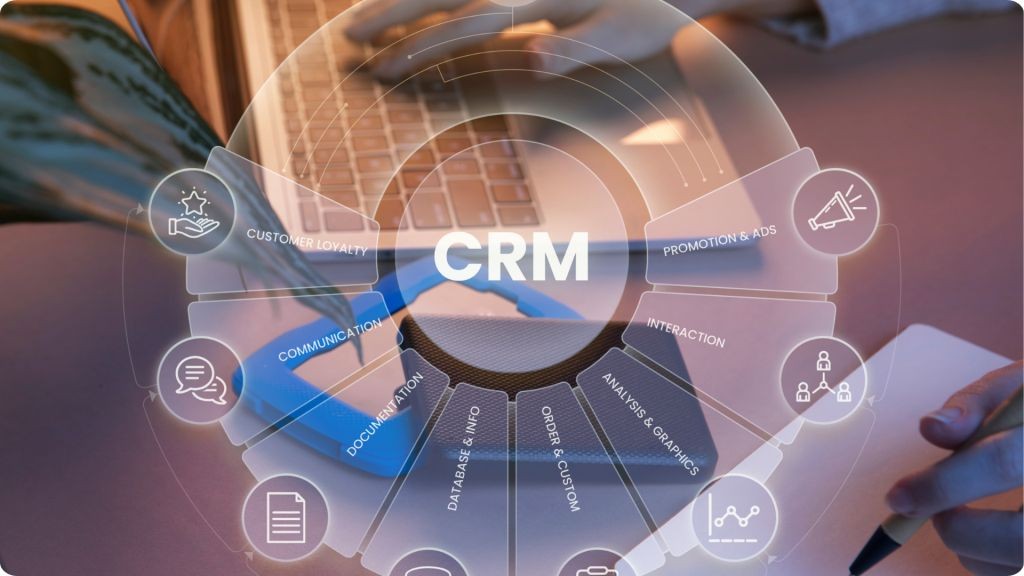

Visualize human intuition and algorithmic precision converging on a sales floor powered by AI agents—quiet, efficient, and anticipating customer needs. This is 2025, and Salesforce is reshaping CRM with intelligent, data-driven experiences.
A short history: we moved from handfuls of customer records and Excel sheets to a deluge of digital interactions. That data flood required new tools. AI evolved from a distant promise to a strategic partner: it learned, forecasted, and surfaced subtleties humans missed. Those who ignore this shift risk being left behind as customers flock to hyper-personalized experiences.
Salesforce in 2025 is an intelligent ecosystem. Data Cloud has matured into a platform that reveals customer narratives. Hyperforce provides global cloud infrastructure with performance and compliance. Service Cloud shifts from reactive to predictive service. Sustainability and ethical AI are now core considerations—not optional extras.
Key trends and what they mean
1. Agentic AI and Advanced Automation
– Advanced Agentic Systems: AI agents move beyond simple tasks to orchestrate complex workflows—designing retention campaigns, adjusting pricing, and scheduling follow-ups with minimal human input.
– Hyper-Personalization with Contextual AI: Large language models and contextual AI understand implied meaning in interactions and generate tailored communications—emails, product descriptions, and offers—driven by customer context.
– Automating Complex Processes: End-to-end automation replaces repetitive multi-step processes—automated lead scoring, intelligent case routing, dynamic pricing—freeing people for high-value, human-centric work.
2. Data Cloud & Real-Time Customer Intelligence
– Real-Time Data Activation: Data Cloud enables live activation across Salesforce apps, letting businesses react instantly to customer behavior with timely offers and support.
– Central Customer Profiles & Harmonization: Data Cloud tears down silos to create unified customer profiles by harmonizing CRM, ERP, and third-party data for consistent, accurate insights.
– Governance & Security Enhancements: Stricter encryption, access controls, and compliance tools respond to growing privacy regulations, enabling safe management of critical customer data.
3. Hyperforce Architecture and Global Scale
– Global Scalability & Performance: Hyperforce lets companies geo-scale Salesforce deployments for low latency and consistent experiences worldwide—critical for multinationals.
– Data Residency & Compliance: Businesses can meet local data residency and regulatory requirements by running Salesforce on region-specific infrastructure.
– Faster Innovation: Cloud-native architecture accelerates feature rollout, allowing organizations to iterate and respond faster to market changes.
4. Evolved Customer Service with Service Cloud
– Seamless Omnichannel Support: Customers engage across channels with consistent experiences; AI chatbots and virtual assistants provide instant responses with smooth handoffs to humans when needed.
– Proactive & Predictive Service: AI anticipates issues—predictive maintenance, automated resolutions, and personalized offers—reducing friction and improving satisfaction.
– Enhanced Field Service: Mobile-first tools and live data give field technicians the context they need to resolve issues faster and raise first-time fix rates.
5. Sustainability and Responsible AI
– Embedded ESG Metrics: Salesforce integrates Environmental, Social & Governance metrics into CRM workflows, enabling tracking and reporting of sustainability performance.
– Sustainable Business Tools: Features for carbon tracking, emissions management, and sustainability programs help companies operationalize ESG goals.
– Ethical AI: Salesforce emphasizes bias mitigation, transparent AI decision-making, and responsible data use to ensure fair outcomes.
Business outcomes of adopting these trends
– Improved Customer Experience: Hyper-personalization and proactive service increase engagement, retention, and satisfaction across omnichannel journeys.
– Data-Driven Decision Making: Real-time insights and predictive analytics boost agility and strategic planning, helping marketing and sales act faster and smarter.
– Competitive Advantage: Scalable infrastructure, automation, and trusted data governance help organizations grow efficiently and build customer trust.
Practical guidance and FAQs
1. How will sales teams’ day-to-day work change?
Automation frees teams from routine tasks—lead qualification, data entry, and standard outreach—so they can focus on relationships, complex deals, and strategy. AI augments reps with real-time suggestions and insights.
2. What are the real-world effects of Data Cloud?
You get unified customer profiles and real-time segmentation, enabling precise marketing, reliable recommendations, and trusted forecasts. The result: consistent experiences across touchpoints and improved conversion rates.
3. Why does Hyperforce matter for multinationals?
Hyperforce enables global deployments with local data residency, better performance, and regional compliance—essential for enterprises operating across jurisdictions.
4. How will customer service change?
Omnichannel capability and AI self-service speed responses; predictive service anticipates issues; enhanced field tools improve technician efficiency and customer satisfaction.
5. How can organizations use Salesforce’s sustainability features?
Track and manage environmental footprints with Net Zero Cloud, embed ESG metrics into CRM, and use built-in tools to measure and report sustainability performance—appealing to socially conscious customers and stakeholders.
6. What technical skills are needed to implement these features?
Some features are low-code, but advanced AI, data integration, and custom automation often require Salesforce developers or certified partners. Salesforce Trailhead and partner ecosystems help bridge skill gaps.
7. Will small businesses benefit or is this enterprise-only?
Many features scale. AI automation and unified customer data help small teams be more agile and efficient. Sustainability and personalization are relevant at any size.
8. What security concerns come with more AI?
Salesforce builds security and compliance into the platform—encryption, access controls, and monitoring. Organizations must follow best practices: strong authentication, proper data governance, and regular audits.
9. How should teams prepare?
Invest in continuous training (Trailhead), pilot small AI projects, and cultivate a culture of learning and adaptation. Start with focused wins (Einstein Lead Scoring, Case Classification) before scaling.
10. Will automation disrupt Salesforce administrators’ roles?
Yes—admins shift from manual operational work to strategic governance, overseeing configurations, AI governance, data flows, and workflow optimization.
11. How will marketing change with Data Cloud?
Marketing gets more precise, real-time customer segmentation, enabling hyper-personalized campaigns and better journey orchestration—improving ROI and conversion rates.
12. How to start running AI in an existing Salesforce instance?
Begin with small, measurable pilots using Salesforce AI tools (Einstein features). Validate value, iterate, and expand capabilities in stages. Consider partner support for complex integrations.
Final thoughts
Salesforce is rapidly evolving into a platform where AI, unified data, and cloud-native architecture converge to deliver highly personalized, predictive CRM. For organizations that embrace these trends, CRM becomes a strategic advantage—supporting better customer experiences, faster decisions, and sustainable business practices. As a Salesforce consultant, I’m excited about the transformation ahead and the opportunities it creates for businesses of all sizes.