
AI is transforming software development by automating repetitive tasks and accelerating workflows. That raises a fair question: has AI made the product manager role redundant? Short answer: no. AI changes how product managers work, but it doesn’t replace the judgment, context, and human coordination that the role requires.
What a software product manager does
A product manager shepherds a product from concept to launch and beyond. Core responsibilities include:
– Conducting market and user research to identify needs and trends.
– Prioritizing features based on business goals, user value, timeline, and constraints.
– Ensuring the product aligns with client objectives and user requirements.
– Serving as the primary client contact and internal advocate for the product.
– Removing blockers, making trade-off decisions, and guiding the team.
Where human product managers still matter
AI can gather data, surface patterns, and even draft requirements, but several aspects of product management remain inherently human.
Turning data into strategy
AI can synthesize large datasets and highlight correlations, but it doesn’t decide which signals matter for the business. Product managers interpret data in context, weigh trade-offs between competing priorities, and craft strategic decisions that reflect market realities and stakeholder goals.
Handling ethics, risk, and compliance
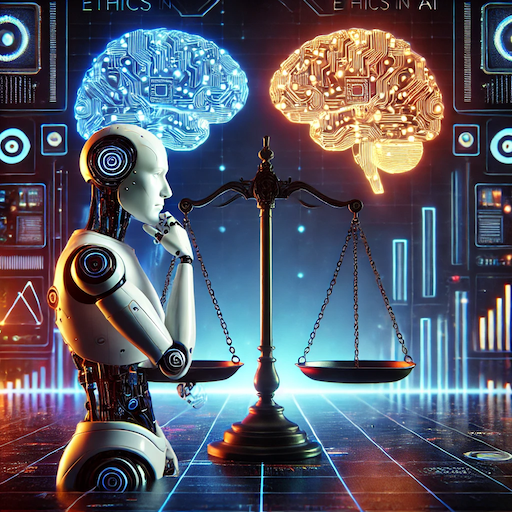
AI systems introduce legal, security, privacy, IP, and fairness risks. Product managers evaluate those risks, set guardrails, review outputs, and ensure products meet regulatory and ethical standards—tasks that require judgment, accountability, and often cross-functional negotiation.
Coordinating people and perspectives
Product work is inherently collaborative. Product managers translate across design, engineering, QA, data science, and business teams, align stakeholders around a shared vision, and keep development focused on user value. Effective communication and relationship management remain difficult for AI to emulate.
Choosing when and how to use AI
Knowing that AI exists isn’t enough. Product managers must understand a tool’s strengths and limits, select appropriate use cases, design integrations, and decide when not to use AI. Poorly chosen or misintegrated tools can introduce bugs, increase costs, or degrade user experience.
Challenges introduced by AI
– Lifelong learning: PMs need familiarity with data and machine learning concepts to make informed decisions and collaborate effectively with technical teams.
– Transparency and explainability: Many models are opaque; PMs must be able to justify tool choices and explain behaviors to stakeholders.
– Ongoing maintenance: Products that include AI need monitoring, retraining, and operational ownership over time, often coordinated by the product manager.
Conclusion
AI makes product teams faster and smarter, but it doesn’t remove the need for human judgment, ethics, coordination, and strategy. Product managers who become fluent in AI can accelerate time to market, reduce costs, and build higher-value features by combining technical understanding with stakeholder alignment and ethical oversight.
At Grio, our product managers lead thoughtful AI adoption across the development lifecycle to build safer, more effective applications. Contact us for a free consultation to explore how our PMs can help turn your idea into a successful product.