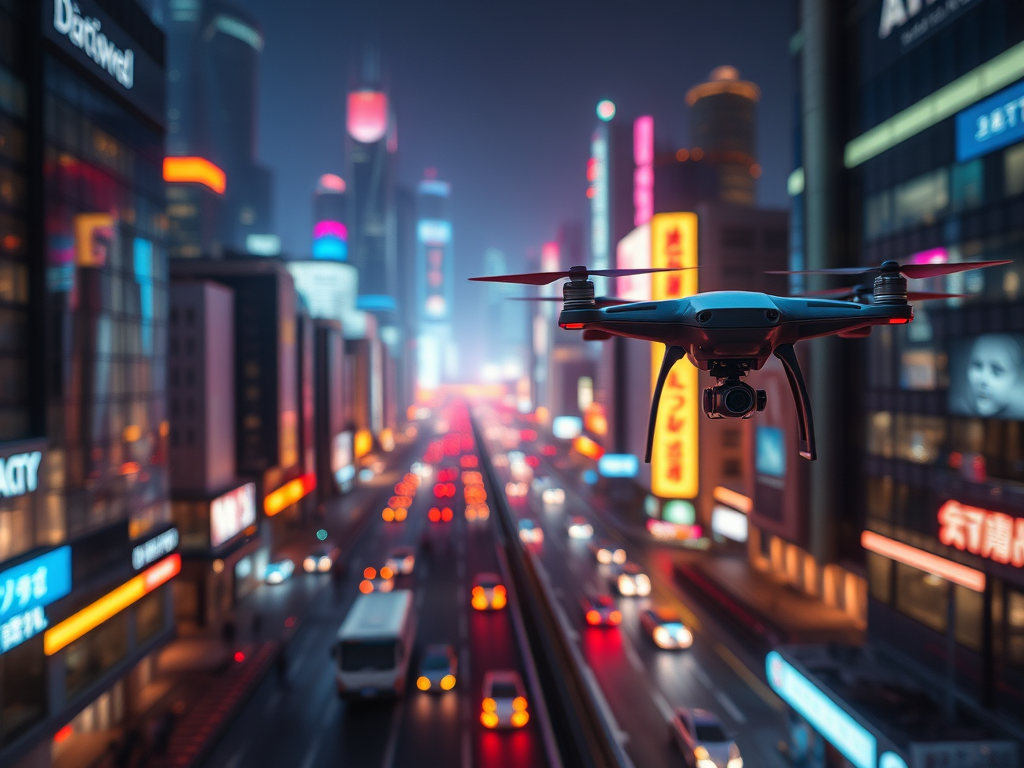

Artificial intelligence is changing how applications are imagined, built, and maintained. Looking ahead, AI will make apps more intelligent, intuitive, and tailored to individual users. Below are the key trends and practical examples shaping that future.
Hyper-personalization
AI will enable experiences that adapt to each user’s habits, preferences, and context. Services like Spotify already apply deep learning to surface personalized playlists and improve engagement. Expect this level of customization to spread across sectors—fitness, finance, retail, education—so apps anticipate user needs and deliver content, recommendations, and interfaces tuned to individuals.
AI-driven Low-code and No-code Development
AI is lowering barriers to building software. Platforms such as Microsoft Power Apps and Google AppSheet empower non-engineers to assemble applications. The next step is AI that translates simple natural-language prompts into complete, production-ready apps, dramatically reducing development time and widening who can create software.
Advanced Voice and Conversational AI
Voice and conversational interfaces will become standard parts of mobile and web experiences. Virtual assistants like Alexa and Google Assistant paved the way; as speech recognition and natural-language understanding improve, apps will support more natural, context-aware conversations and seamless hands-free interactions.
Predictive and Proactive Applications
Rather than waiting for commands, future apps will anticipate user actions and present helpful options at the right moment. Android’s contextual suggestions are an early example. We’ll see more apps that surface predictions and take proactive steps—scheduling, content curation, reminders—so users spend less time managing and more time accomplishing.
Stronger Security with AI
AI will play a central role in protecting apps and user data. Companies such as Darktrace use machine learning to spot and respond to threats in real time. Upcoming applications will integrate AI-powered authentication, behavioral monitoring, and automated threat detection to reduce breaches and protect privacy.
Augmented Reality Combined with AI
Merging AR with AI will create richer, more interactive experiences. Snapchat and Pokémon GO demonstrate AR’s appeal; when paired with AI, AR apps will better understand scenes, track objects, and adapt interactions in real time—opening new use cases in gaming, training, healthcare, and retail.
Humanoid Robots and AI
Robotics combined with AI is expanding rapidly. Developers like Boston Dynamics and Tesla are building robots that perceive and act in complex environments. AI-enabled humanoids will assist in care settings, perform customer-facing roles, work in hazardous environments, and support industries where physical tasks require autonomy and adaptability.
Conclusion
AI’s influence on app development points toward deeper personalization, more natural interaction patterns, broader accessibility, and stronger security. Organizations that embrace these advances early will lead the next wave of digital experiences.
Interested in applying AI to your next app project? Connect with Grio to explore practical ways to integrate advanced AI into your development strategy.
Thank you for following this series. I hope these perspectives spark new ideas for building smarter apps.